Understand what a fault affects
Identify the spaces, equipment and services connected to a problem. This helps operators investigate with a clearer view of dependencies and priorities.
Digital twin
A digital twin is a digital representation of a physical asset, connected to information about its condition and operation. It gives that information context, helping people understand what is happening, investigate problems and assess changes.
For a building, this can mean connecting spaces, equipment and system relationships with operating readings, maintenance records and technical documents. Information is updated at the frequency the intended decisions require, from live readings to periodic updates.
Pagin Consulting helps define what the twin should do, which information it needs and how the people responsible for the asset will use it.
A BIM model can describe geometry and asset information. A dashboard can display operating readings. A digital twin connects the relevant representation, information and relationships, with a defined process for keeping them aligned with the physical asset.
Its interface might be a model, a map, a system diagram or an operational workspace. The right format is the one that helps users make the intended decision.
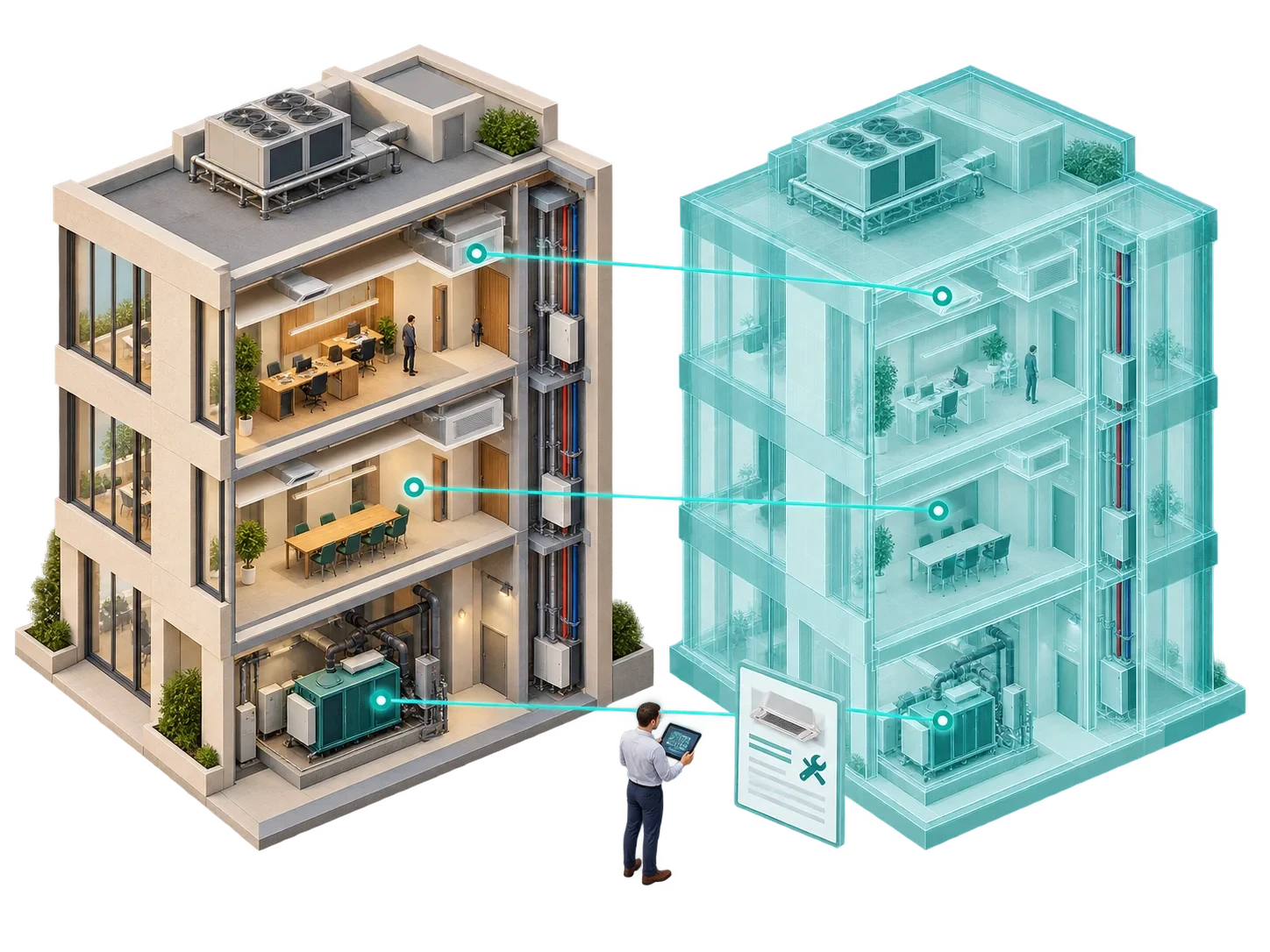
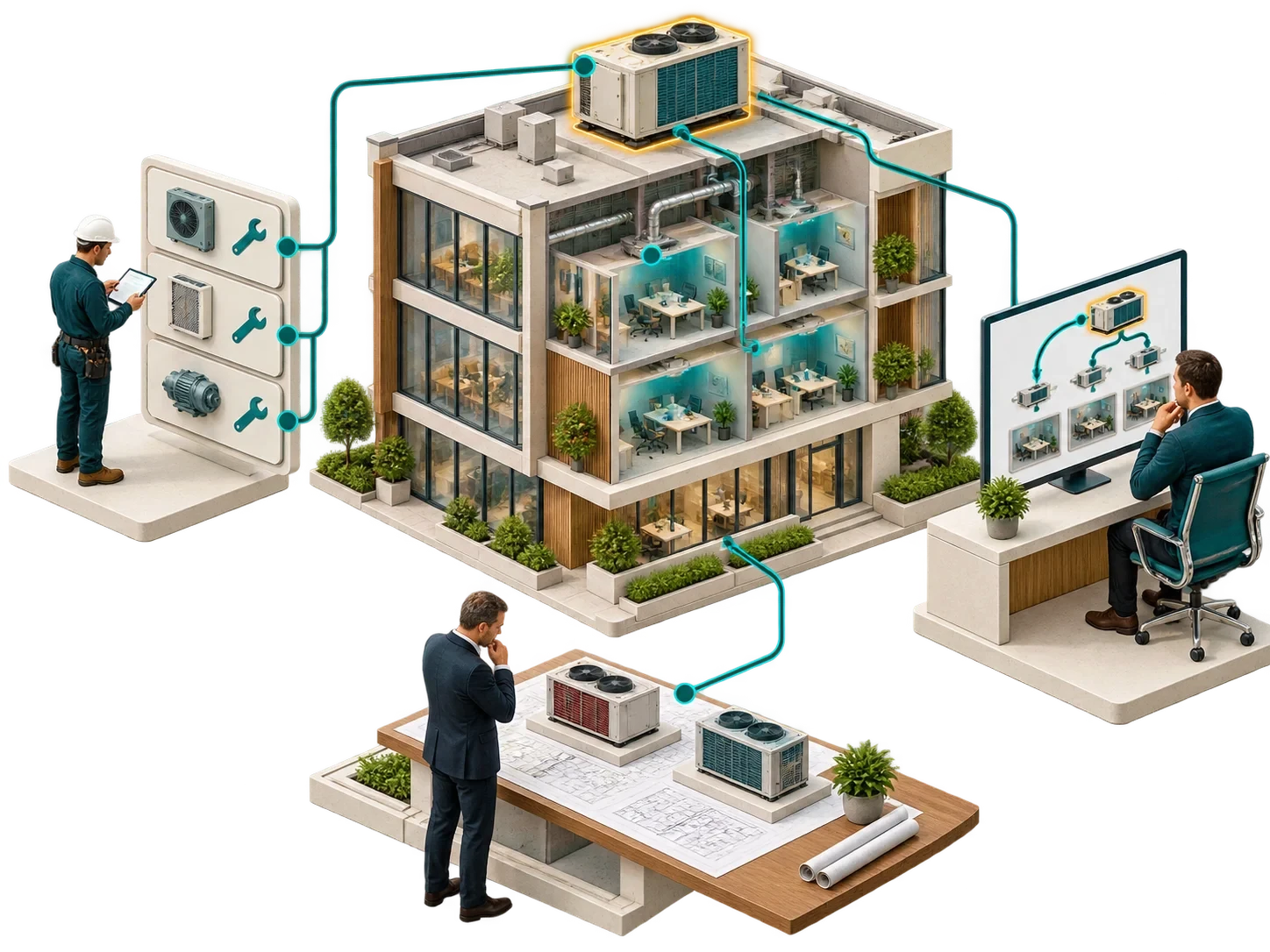
Building information is often spread across separate systems, drawings, spreadsheets and maintenance records. A digital twin brings relevant information and relationships together so teams can understand the implications of a decision before committing to it.
Identify the spaces, equipment and services connected to a problem. This helps operators investigate with a clearer view of dependencies and priorities.
Review how a change could affect the wider asset. Where suitable, validated analytical models are included, the twin can also support assessment of operating scenarios and proposed interventions.
Bring condition, service history and operational context into the same conversation. Use that evidence to support maintenance priorities, replacement planning and investment decisions.
Keep important relationships and decisions accessible as people, suppliers and systems change. The value comes from information that remains dependable and usable throughout the asset's life.
Start with a decision that matters. Some objectives can be met with better records, integration or analytics alone. Develop a digital twin where connecting the asset's representation and information provides additional value.
An ageing cooling unit needs to be replaced, but the building must remain occupied. Before scheduling the work, the team needs to understand which spaces rely on that equipment, what alternative capacity is available and when disruption can be managed.
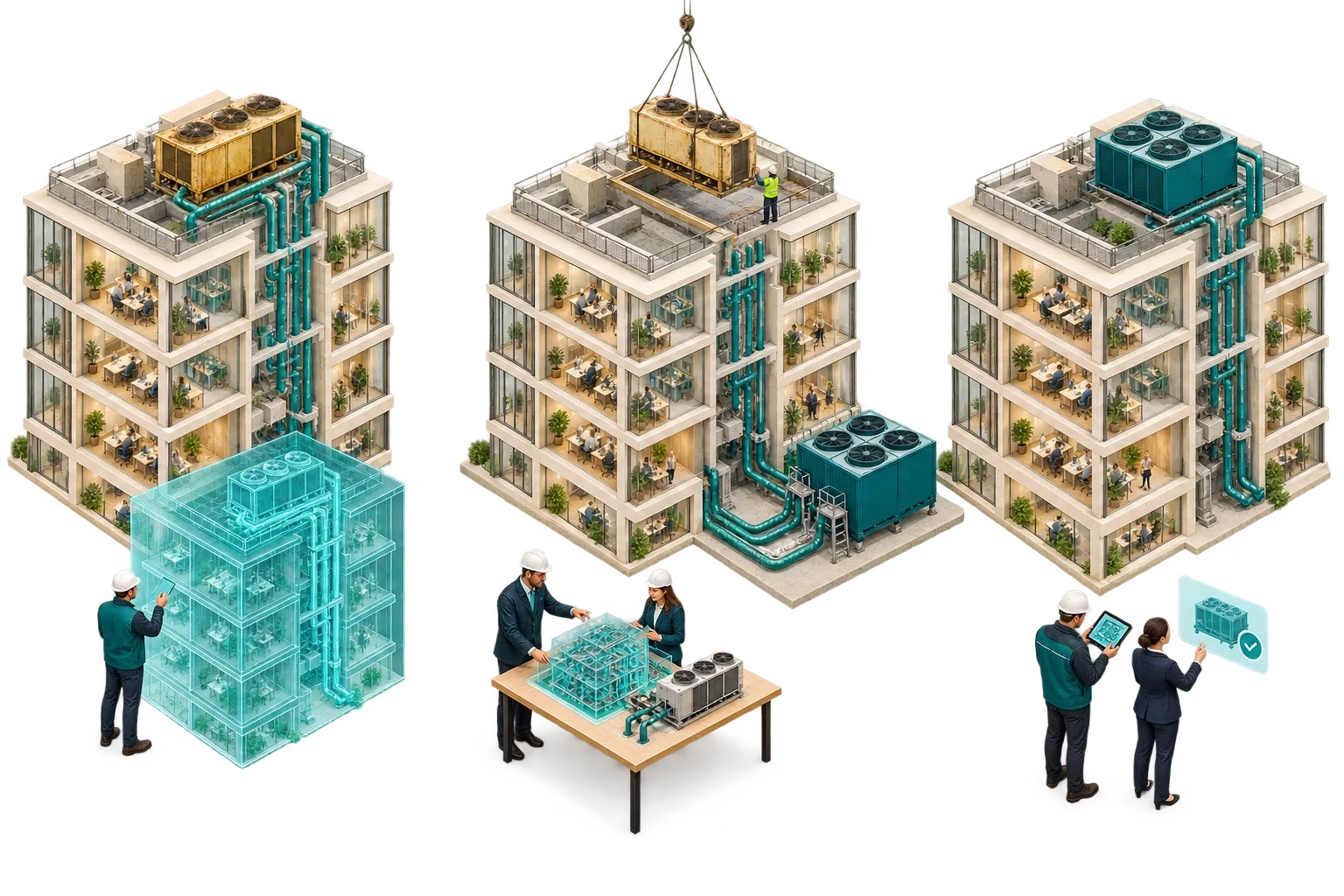
A digital twin can connect the unit with the areas it serves, its maintenance history and relevant system dependencies. This gives the operator and engineers a shared starting point for planning the intervention.
Where a suitable engineering model has been validated, it can help assess shutdown sequences, temporary operating arrangements and the capacity available during the works.
The team can compare options, identify missing information and prepare the intervention with a clearer understanding of the consequences. Once the work is complete, the asset information is updated to reflect the installed equipment and its relationships.
A useful digital twin starts with a clear purpose, reliable information and defined responsibilities. Pagin Consulting translates those needs into requirements that the design team, technology suppliers and operating team can work with.
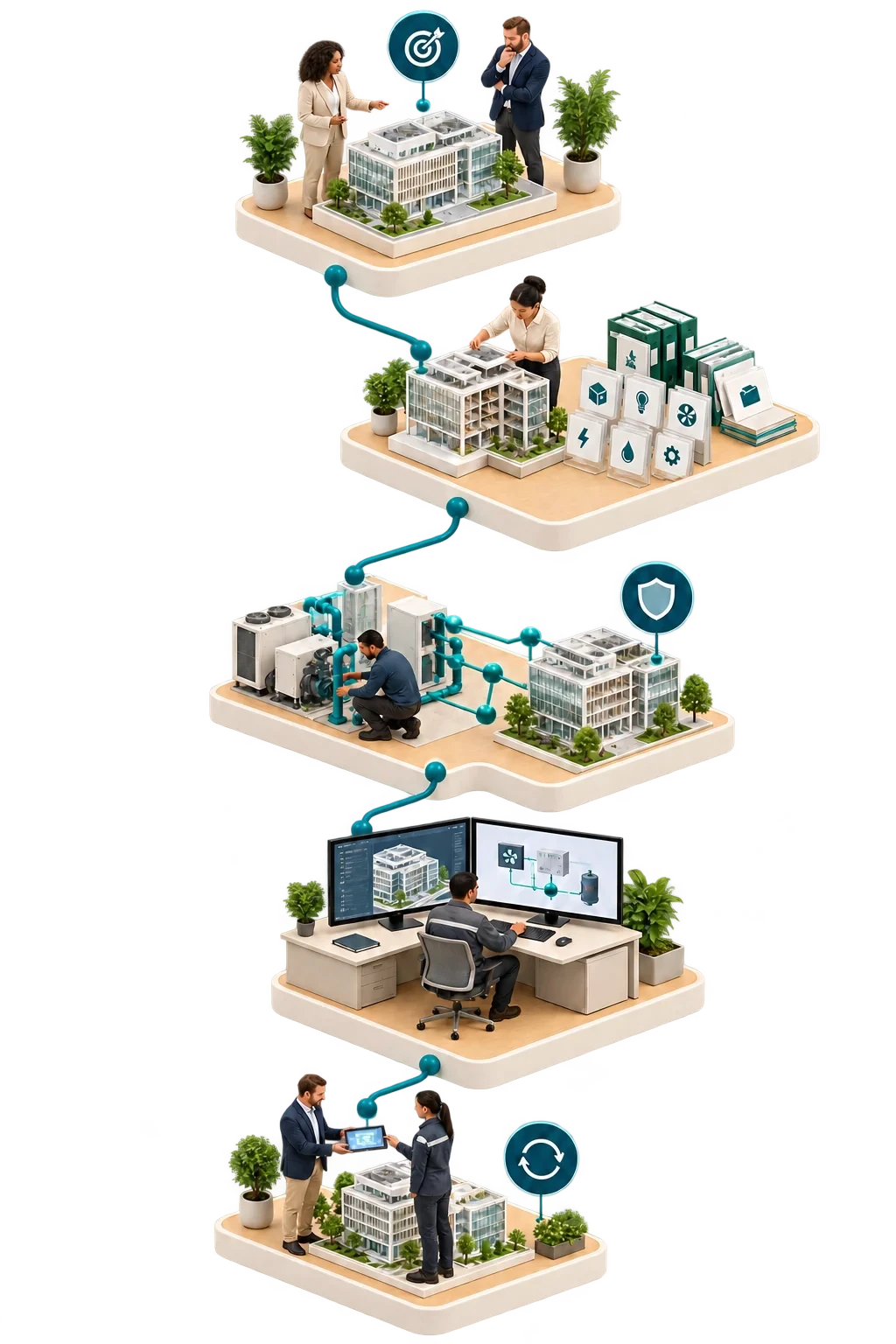
Step 1
Agree which questions the twin should answer, who will use it and how success will be assessed. Select an initial use case with a clear operational or investment benefit, then establish a practical scope for delivery.
Step 2
Identify the relevant models, asset registers, building systems, meters, maintenance records and documents. Define the identifiers, relationships, quality requirements and update processes needed to make that information dependable.
Step 3
Specify how information will be exchanged, who owns and maintains it, and how access will be controlled. Address security and interoperability, using an independent data layer where appropriate to the asset and its systems.
Step 4
Define the views, queries, alerts and workflows that support the agreed decisions. Where simulation or prediction is required, establish the analytical model requirements, validation process and limits of use.
Step 5
Set acceptance criteria for the representation, information and intended workflows. Define training, ownership and ongoing maintenance. Where appointed, Pagin supports procurement and reviews delivery against the agreed requirements.
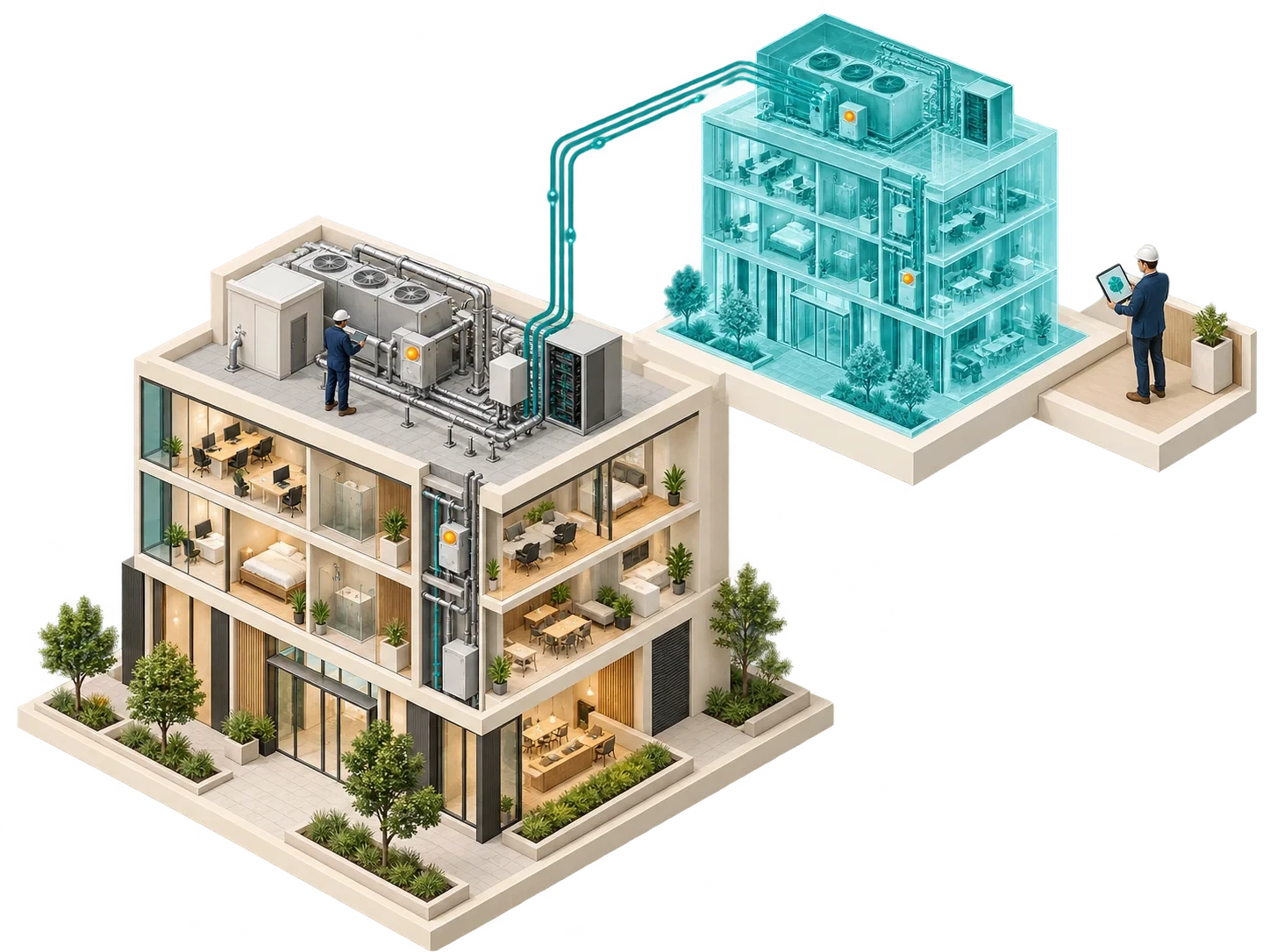
Smart design establishes how building services, connectivity, information and user needs work together. It addresses the systems, interfaces, security and responsibilities that allow useful information to be collected and exchanged.
A digital twin uses those foundations to connect the asset's representation with the information needed for particular decisions. It sits alongside operational, maintenance and analytical tools, drawing on their information and supporting the people who use them.
For a new development, define relevant use cases, asset identifiers, metering, interfaces and structured handover requirements early. This helps the completed asset arrive with the information needed for its intended digital capabilities.
For an existing asset, build in phases. Begin with dependable information and a focused use case, demonstrate its value, then expand where the operational benefit justifies it.
The value of a digital twin depends on the decisions it improves, the reliability of its information and the people responsible for keeping it useful.
Start with the questions your team needs to answer. Connect the information those questions require, verify that the result supports the intended work and expand when the benefit is clear.
Pagin Consulting connects the initial ambition with the brief, design requirements, procurement and operational responsibilities needed to make it practical.